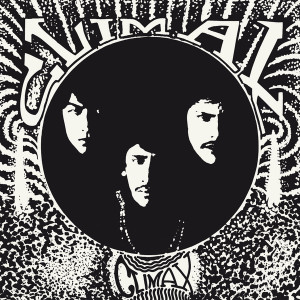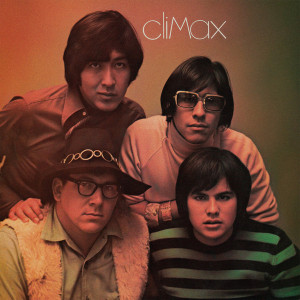
On October 7, 1974, the now-historic “Gusano mecánico” was released — the only full-length album by the legendary Bolivian rock band Climax. Founded in 1968 from the remnants of the disbanded Los Black Byrds and the unrealized project The Turtles, Climax was formed by guitarist José “Pepe” Eguino and bassist Javier Saldías, who developed a strong bond with drummer Álvaro Córdova, cemented by their shared passion for rock. Together, they embarked on a journey of self-discovery, spending several months in the United States during a crucial period straddling the end of the Summer of Love and the lead-up to Woodstock.
This period, perhaps the most significant of the 1960s Bolivian countercultural movement, saw an explosion of artistic expression driven by dissatisfaction with the society that the youth had inherited from their parents. Within this context, the influence of iconic bands such as The Jimi Hendrix Experience, Cream, Blue Cheer, and Emerson, Lake & Palmer played a pivotal role in their decision to return to Bolivia and form the country's first ‘power trio’.
Their early EPs paid tribute to their musical heroes. Their second EP “Born to Be Wild II” was released in 1970, it featured a new funky version of the Steppenwolf original. It also introduced the band’s first original compositions and their new influences: ‘Ritmo de la Vida,’ an instrumental chord-driven melody with Latin jazz overtones where we begin to hear the influence of Santana; ‘El Abrigo Café de Piel de Gallina,’ a standard blues number that recalls ‘All Your Love’ by Otis Rush; and ‘The Seeker,’ with a Latin vibe and lyrics that include the first reference to drug use in Bolivian music.
First time vinyl reissue.
1. Nacido Para Ser Salvaje II
2. The Seeker
3. El Abrigo Cafe De Piel De Gallina
4. Ritmo De La Vida